Drive the back roads around Aynor, Loris, Green Sea, or the outskirts of Conway, and you'll see plenty of older mobile homes sitting empty. Some were left behind when family moved on. Some took storm damage and were never fixed. Others are simply past their useful life.
If one of those is sitting on your land,
mobile home demolition can open up a lot of possibilities. Here's what the process usually looks like, so you know what to expect before you call a demolition contractor.
Why Property Owners Remove Old Mobile Homes
Every situation is a little different, but most fall into one of these:
- You inherited the property and want to sell the land or build on it
- The home is unsafe. Roof damage, rotted floors, mold, and pests make older units a hazard
- You're upgrading to a new manufactured home or a site-built house
- You're preparing the land for sale
A vacant, deteriorating mobile home drags down the value of the land under it. Removing it is often the first step toward getting that value back.
Step 1: Walk the Site Together
Every job starts with a site visit. We look at the size of the home, what's attached to it, how easy the site is to reach with equipment, and what nearby features need protecting, like trees, fences, a well, or a septic system.
It's also the time to share your plans. Are you putting a new home on the same spot? Keeping the septic system? Want anything set aside? Knowing that up front shapes the whole job.
Step 2: Paperwork and Utilities
Before any demolition services begin, a few things usually need to be squared away:
- Utilities disconnected. Power, water, and gas are shut off and disconnected at the source.
- Permits. Demolition in Horry County generally requires a permit from the county, or from the city if you're inside Conway city limits.
- Title and taxes. In South Carolina, mobile homes are often titled and taxed separately from the land. Checking with the Horry County Assessor's office helps make sure the home comes off the tax rolls once it's gone.
We'll walk you through what your property needs so nothing slips through the cracks.
Step 3: Teardown and Hauling
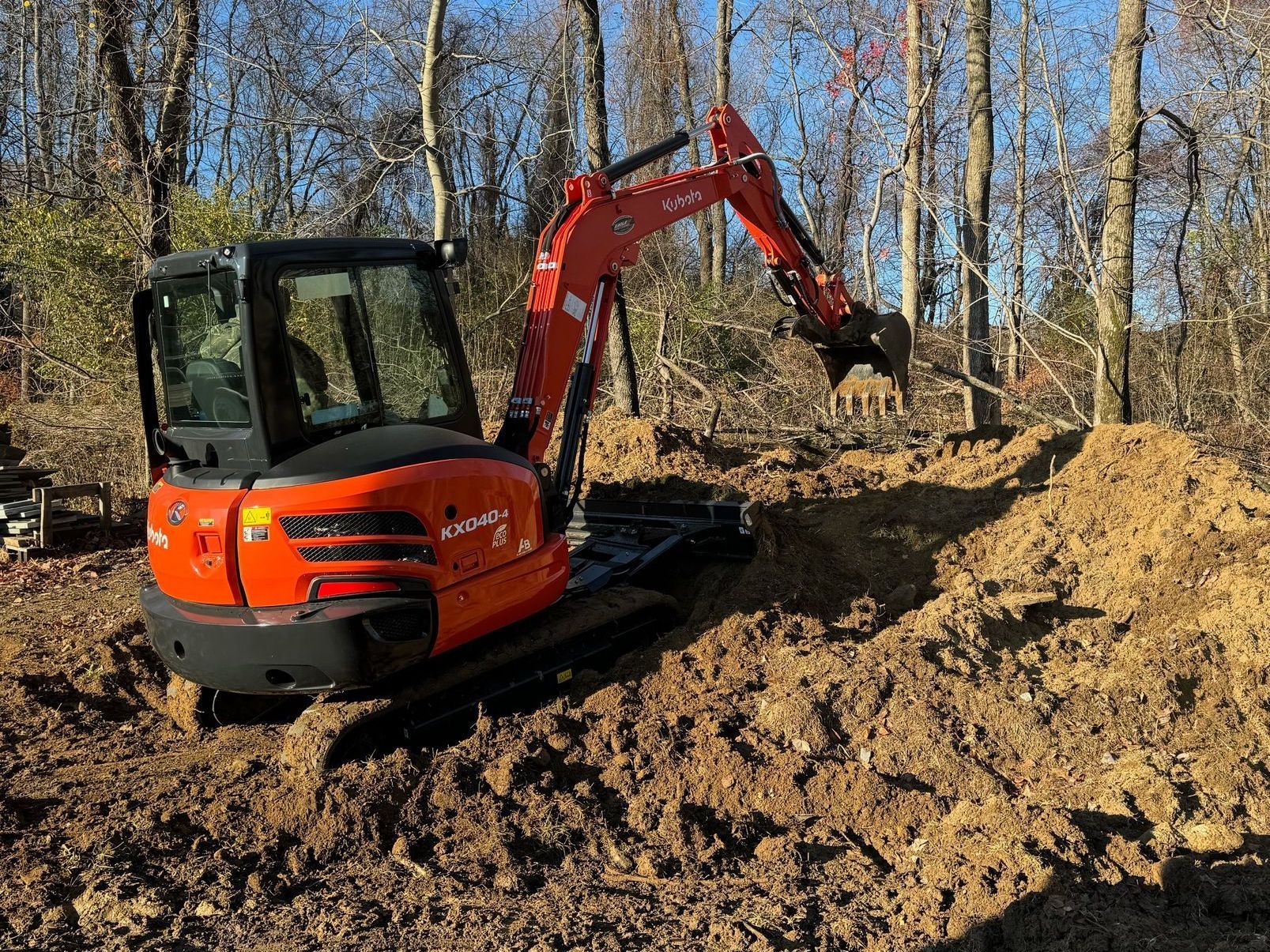
This part moves quickly. Most single-wides come down and are hauled away in a single day, while double-wides or homes with large additions may take a bit longer. Along with the home itself, the job usually covers the steel frame, skirting, steps, porches, and decks.
If there's more on the property to deal with, it's efficient to handle it all at once. That might mean
shed and outbuilding removal for old storage buildings, or
concrete removal for leftover slabs, walkways, and pads.
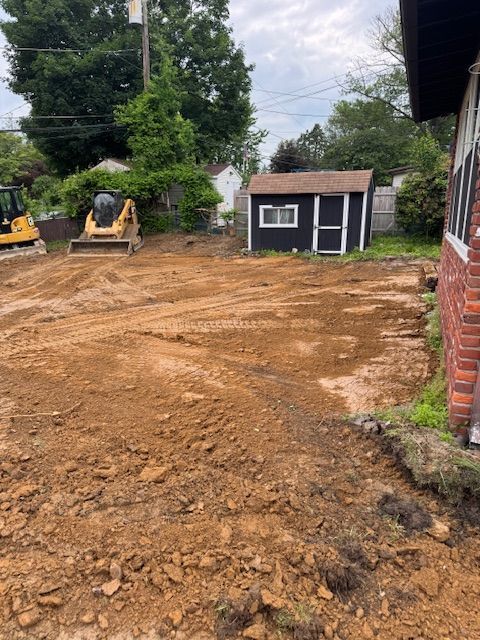
Step 4: Grade and Prep the Site
Once the home is gone, the pad and surrounding area are graded level. If a new home is going in, this is when manufactured home site preparation begins, getting the ground stable, level, and draining properly. For larger builds, our
excavation and site work crews can take the site the rest of the way.
If you're selling, a clean, open lot shows far better than a patch of disturbed ground.
What About the Septic, Well, and Power Pole?
This is one of the most common questions we hear. If you plan to put a new home in the same spot, these can often stay and be reused. If the lot is being cleared for something else, they may need to be handled separately. Mention your plans during the site walk and we'll work around them.
Storm-Damaged Mobile Homes
Living in the Grand Strand means living with hurricane season, and older mobile homes are especially vulnerable to wind and water. A unit that's been through a bad storm can become unsafe fast. Removing it sooner limits the risk to people, pets, and neighboring property. If the storm also brought down trees,
storm damage cleanup can be handled during the same visit.
Mobile Homes vs. Site-Built Homes
Mobile home teardowns are typically faster and simpler than removing a site-built house, which may involve a full foundation, more materials, and additional inspections. If you're dealing with a traditional house instead, our
home demolition services cover full teardowns, including fire- and storm-damaged homes.
A Local Demolition Contractor in Conway
Scavo Solutions provides
demolition services across Horry County and the Grand Strand, from single-wides in Aynor to double-wides near Loris and everything in between. We're based in Conway, so we know the area, the process, and what it takes to leave your land clean and ready.
Contact us for a free on-site estimate.