Hydroseeding in Horry County, SC: How to Restore Bare Ground After a Land Project
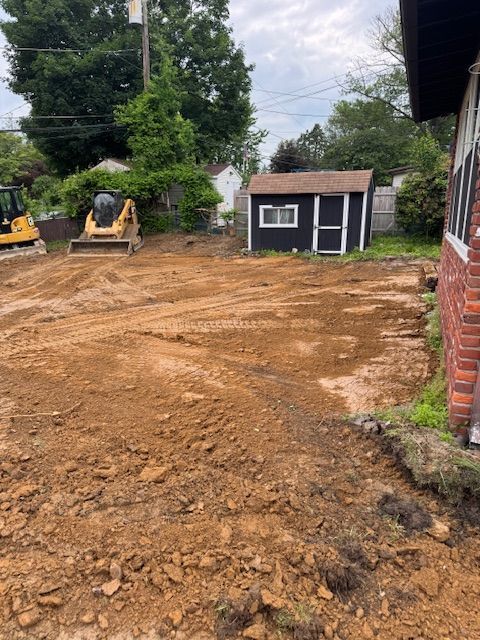
If you’ve just had land cleared, a yard graded, bamboo removed, or an old structure torn down on your property in Conway or anywhere along the Grand Strand, you already know the view. Bare, sandy soil where green used to be.
It’s the most common thing we hear after a project wraps up. The heavy work is done and the lot looks great from a construction standpoint, but something’s missing. Grass. And in Horry County, you don’t want to wait long to get it back.
For most Conway homeowners and property owners, the fastest, most cost-effective answer is
hydroseeding.
What Is Hydroseeding, and Why Does It Work So Well in Coastal South Carolina?
Hydroseeding is a spray application of grass seed, fiber mulch, starter fertilizer, and water, applied to bare soil in one even pass. The slurry bonds to the ground the moment it lands. It holds seed in place, keeps moisture against the seed, and shields the soil from erosion before the first root takes hold.
That last part matters here. Between sandy soil, summer downpours, and hurricane season, Horry County is rough on bare ground. Dry seed gets blown around and washed away, while hydroseeding stays put.
Want the full overview of how we do it? Our
Conway hydroseeding service page covers the process start to finish.
Why Horry County Soil and Weather Make Hydroseeding a Smart Choice
Conway and the surrounding Grand Strand sit on the Coastal Plain, and the ground here behaves differently than it does up north.
- Sandy, fast-draining soil. Water moves through quickly, which means new seed can dry out in a matter of days without help. The fiber mulch in a hydroseed slurry holds moisture against the seed instead of letting it disappear.
- Heavy summer rain. Afternoon thunderstorms and tropical systems can dump inches in a short window. Bare sand moves easily, and a mulch blanket keeps it in place while grass establishes.
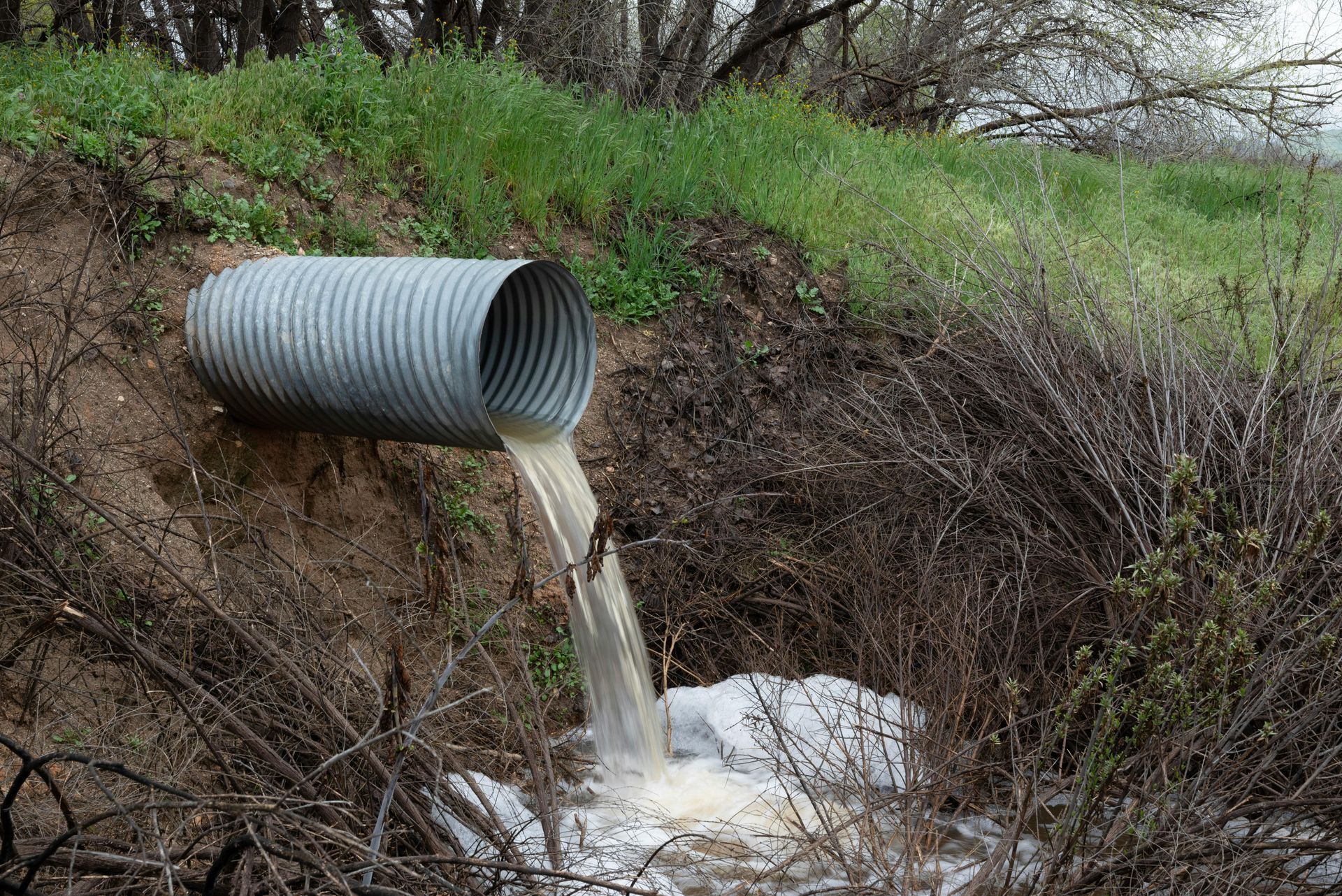
- High water tables and low ground. Between the Waccamaw River, the Carolina bays, and low-lying lots, drainage matters. Fresh, dense turf slows runoff and helps a graded site hold its shape.
- Long, hot growing season. Warm-season grasses thrive here, and a well-timed hydroseed can fill in fast.
If water is already a problem on your property, pair seeding with proper
site grading or our
stormwater and drainage services so the new lawn isn’t fighting the site.
The Best Grass Types for Hydroseeding in Conway, SC
Northern seed blends like fescue and rye struggle in our heat. The right choice here is warm-season grass matched to your sun, soil, and how you use the yard.
Bermuda Grass
The workhorse of hydroseeding in the South. Bermuda germinates quickly, spreads aggressively, and handles full sun, heat, and foot traffic. It’s a top pick for big open yards, athletic areas, and sites where you want fast coverage. It does need regular mowing and plenty of sunlight.
Centipede Grass
A favorite on sandy, acidic coastal soil. Centipede is low-maintenance and needs less fertilizer and mowing than most lawns. It’s slower to fill in than Bermuda, so patience pays off, but it’s a great fit for homeowners who want an easy-care yard.
Bahia Grass
Tough, drought-tolerant, and very forgiving in poor sandy soil. Bahia is a practical choice for large lots, roadsides, utility areas, and acreage where you want durable cover without a lot of upkeep. It’s less of a manicured-lawn look than Bermuda or zoysia.
Zoysia Grass
Dense, soft, and attractive, zoysia gives a premium finished look. It’s slower to establish from seed, so it works best when you’re willing to wait for that carpet-like result.
A quick note on St. Augustine: it’s popular around the Grand Strand, but it generally can’t be grown from seed, so it’s installed as sod or plugs. If you love the look, we’ll tell you honestly whether sod is the better route for your project.
We walk the property, check sun, soil, and drainage, and recommend the blend that fits. No guessing, and no one-size-fits-all bag from the hardware store.
When Is the Best Time to Hydroseed in Conway, SC?
Warm-season grasses want warm soil. The strongest window for hydroseeding in Horry County runs from
late spring through summer, once soil temperatures are consistently up and the grass can grow fast.
- Late spring to early summer: Ideal. Warm soil, regular rain, and a long season ahead for roots to establish.
- Mid to late summer: Works well with consistent watering, since heat and dry spells can stress new seedlings.
- Fall and winter: Warm-season grasses go dormant, so we may recommend a temporary winter cover to protect bare soil until the right planting window opens.
If you’ve just finished a project in the off-season, call us. We can protect the ground now and plan the permanent seeding for when it’ll thrive.
Hydroseeding After Land Clearing, Bamboo Removal, Demolition, and Grading
Most hydroseeding jobs start as something else. Here’s where we see it most.
After Land Clearing
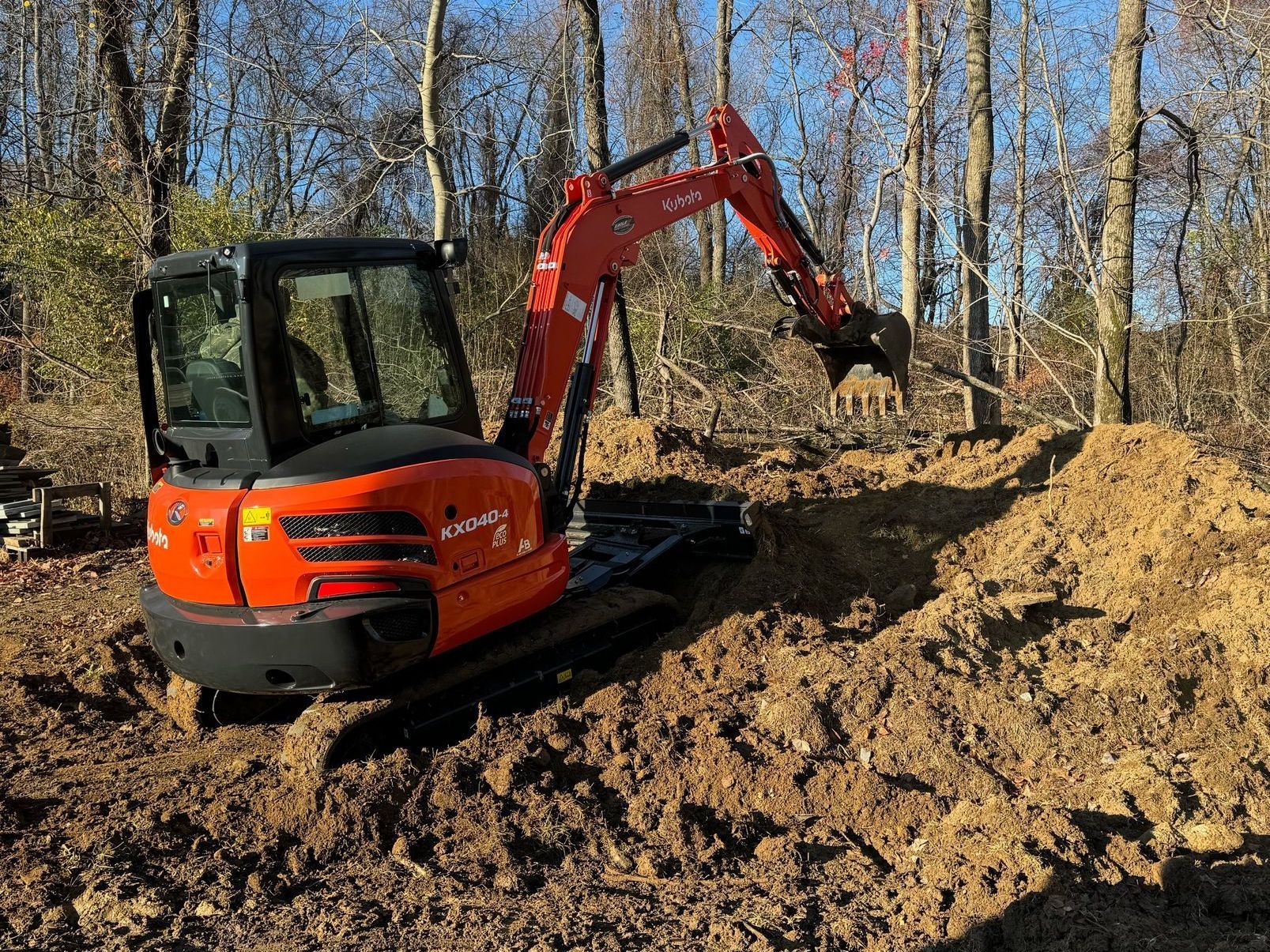
Clearing exposes raw soil that erodes with the next big rain. Hydroseeding stabilizes it right away. If you’re preparing a lot, our
land clearing,
lot clearing, and
forestry mulching services pair naturally with a seeded finish.
After Bamboo Removal
Running bamboo tears up a lot of ground on its way out. Seeding dense turf over the remediated area helps crowd out regrowth and restores the yard. Learn more about our
bamboo removal process.
After Demolition
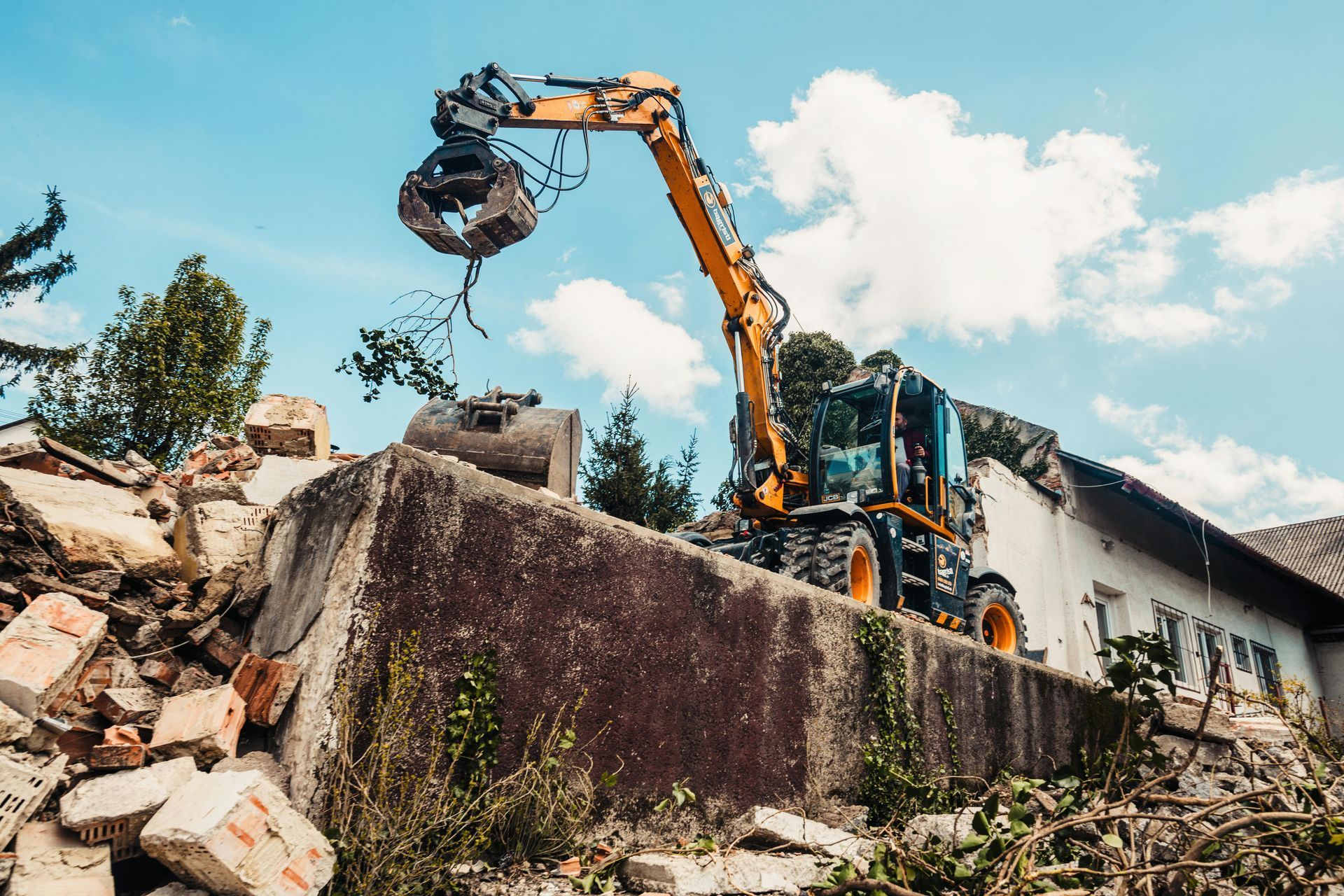
Old structures, sheds, mobile homes, and pools leave compacted, disturbed soil behind. Once the site is cleared and graded, hydroseeding turns the old footprint back into usable green space. See our
demolition and
pool demo and removal services.
After Grading, Drainage, and Storm Cleanup
Freshly shaped slopes and ditches are the most erosion-prone spots on any property. The bonding agents in our slurry hold seed on grades where it would otherwise wash off. We also reseed after
storm damage cleanup and around
pond construction projects.
How Fast Does Hydroseeding Grow in South Carolina?
Faster than most people expect, though it depends on the grass.
With warm soil and consistent watering, Bermuda can begin sprouting in roughly one to two weeks. Centipede and Bahia usually take longer, often two to four weeks to show, and zoysia is slower still. A full, even lawn typically fills in over the following weeks, depending on the season, rainfall, and care.
Compared with dry seeding, hydroseeding gives far more consistent coverage. Compared with sod, it usually costs much less per square foot, especially on large areas, and it develops a strong root system suited to our climate.
How to Get the Best Results From Your New Hydroseeded Lawn
A great result comes down to a few things done right.
- Prep the soil. Clear debris and rocks, and loosen compacted ground so roots can go deep.
- Choose the right seed. Match the grass to your sun exposure, soil, and how much maintenance you want.
- Water consistently. In sandy soil, new seed can dry out fast. Keep the surface evenly moist during the first few weeks, and ease off as the grass establishes.
- Stay off it. Young seedlings need time to anchor. Limit foot traffic until the lawn is well established.
- Mow at the right time. Wait until the grass has rooted and reached mowing height before the first cut, and keep the blade sharp.
We give you a simple watering and care plan with your estimate, so you’re never left guessing.
Hydroseeding FAQs for Conway and Horry County
How much does hydroseeding cost in Conway, SC?
Cost depends on the size of the area, the grass type, site prep, and access. Hydroseeding is typically much more affordable than sod, especially on larger properties. We provide a free, no-pressure estimate after seeing the site.
Can you hydroseed over sandy soil?
Yes. Sandy soil is one of the best reasons to hydroseed. The mulch holds moisture against the seed, and starter fertilizer gives new grass the nutrients sandy ground can’t hold on its own.
Do I need to water a hydroseeded lawn?
Yes. Consistent moisture during the first few weeks is the biggest factor in success, especially in fast-draining coastal soil.
Can you hydroseed in the winter in South Carolina?
Warm-season grasses go dormant in cooler months, so we usually recommend a temporary winter cover to protect the soil, then permanent seeding when the weather warms.
Is hydroseeding better than sod?
For large areas, slopes, and post-construction sites, usually yes. It costs less, covers uneven ground well, and builds strong roots. Sod is better for tiny yards that need instant green.
Will hydroseeding stop erosion?
It starts working as soon as it’s applied. The mulch and bonding agents protect the soil before the grass has even sprouted.
Ready to Put the Green Back on Your Property?
Whether you’re finishing a lot in Conway, restoring a yard in Carolina Forest, or stabilizing a slope near Socastee, Scavo Solutions handles the whole job, from site assessment and seed selection to application and aftercare.
Call (843) 915-1299 or email
office@scavosolutions.com for a free estimate.
Get a Free Estimate |
View Our Hydroseeding Service Page