Conway, SC's Site Grading Contractor
Bad grading shows up as flooding, erosion, and foundation problems down the road. Scavo Solutions delivers precise, code-compliant site grading across Conway and Horry County — protecting your property from the ground up.
Get the Foundation Right
Site and Yard Grading Contractors Serving Horry County
Grading is the part of a project nobody notices when it's done right — and everybody notices when it's done wrong. Scavo Solutions grades properties across Conway and Horry County with drainage and long-term stability built into every plan.
Whether it's a new build, a problem yard, or a full site prep job, we grade to code and to common sense — because water always finds the lowest point, and we make sure that's not your foundation.
When You Need a Grading Contractor
Water Isn't Draining the Way It Should
Standing water, soggy patches, or runoff pooling near your foundation are signs the ground isn't shedding water correctly — and it only gets worse with time.
You're Prepping a Site for New Construction
A solid build starts with a level, properly sloped site. We grade for drainage and structural integrity before the foundation ever goes in.
Your Yard or Driveway Has an Uneven Grade
Uneven ground isn't just a cosmetic issue — it can undermine landscaping, driveways, and outdoor structures over time. We regrade to correct it for good.
Real Results
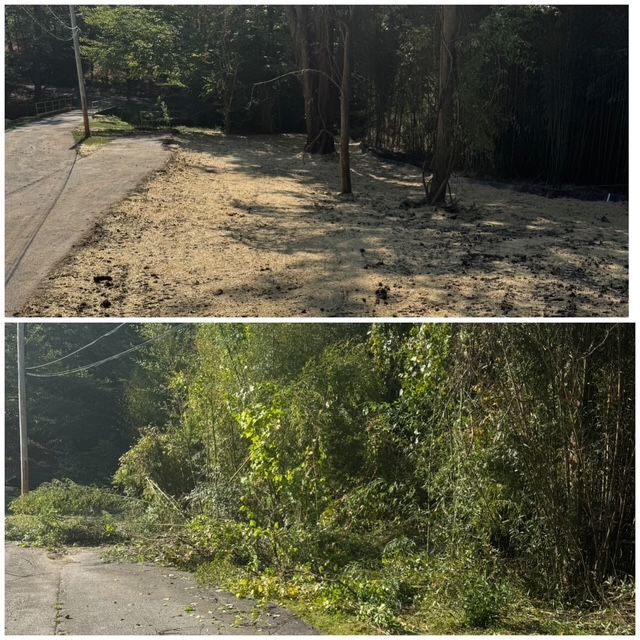
Fixing a Foundation-Threatening Drainage Problem
The Problem:
A homeowner noticed water pooling against their foundation after every rain, with early signs of erosion along one side of the house.
The Work:
We regraded the property to direct water away from the structure, correcting the slope and tying it into proper drainage.
The Result:
No more standing water, no more erosion — and a foundation that's no longer at risk from every storm.
Ready to see what your property could be? Let's talk.
We'll visit your property, listen to your vision, and ask the right questions to understand exactly what you need. Then we'll deliver a detailed proposal that turns your ideas into reality—on your timeline and within your budget. No pressure, no surprises, just honest answers.
-
How do I know if my property needs regrading?
Standing water, soggy spots, erosion, or water pooling near your foundation are the clearest signs. We can assess it during a site visit.
-
Does grading affect my landscaping?
We work around existing landscaping where possible and can coordinate regrading with any planned changes to your yard.
-
How long does a grading project take?
Most residential grading jobs take one to a few days depending on lot size and drainage complexity.
People Also Ask
Site Grading FAQs
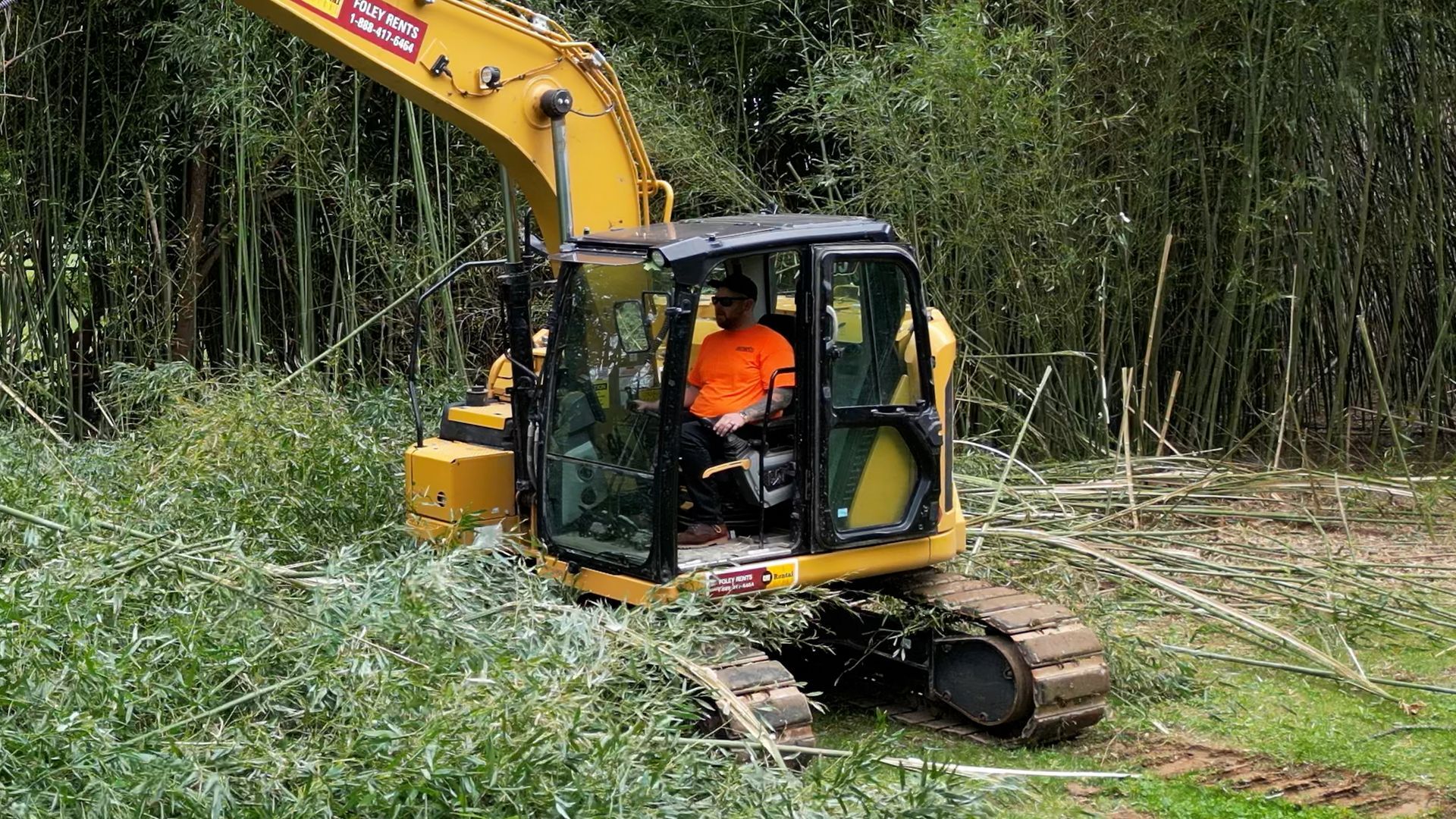
Every solid project starts below the surface. We dig, grade, and prep your site so foundations sit right, water drains away, and utilities run where they should.
Site Grading
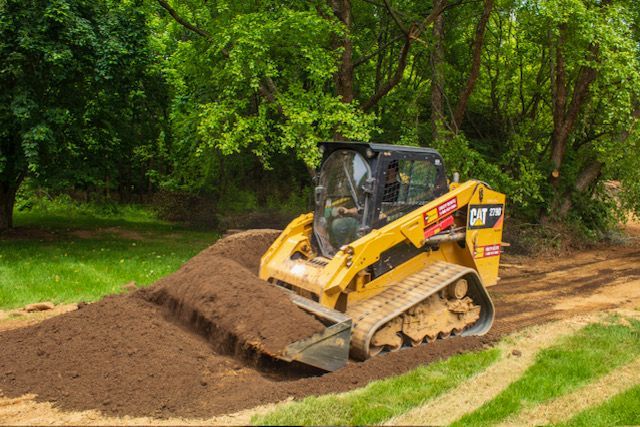
We level and shape your land so water moves away from your home, not toward it.
Retaining Walls
These hold back soil, stop erosion, and turn slopes into usable space.
Utility Services
New water, sewer, and utility lines installed right the first time.
Water Line Installation
New and replacement water lines, trenched and connected cleanly.
Sewer Line Installation
Reliable sewer connections for new builds and replacements.
Utility Trenching
Precise trenching for power, water, sewer, and communications lines.
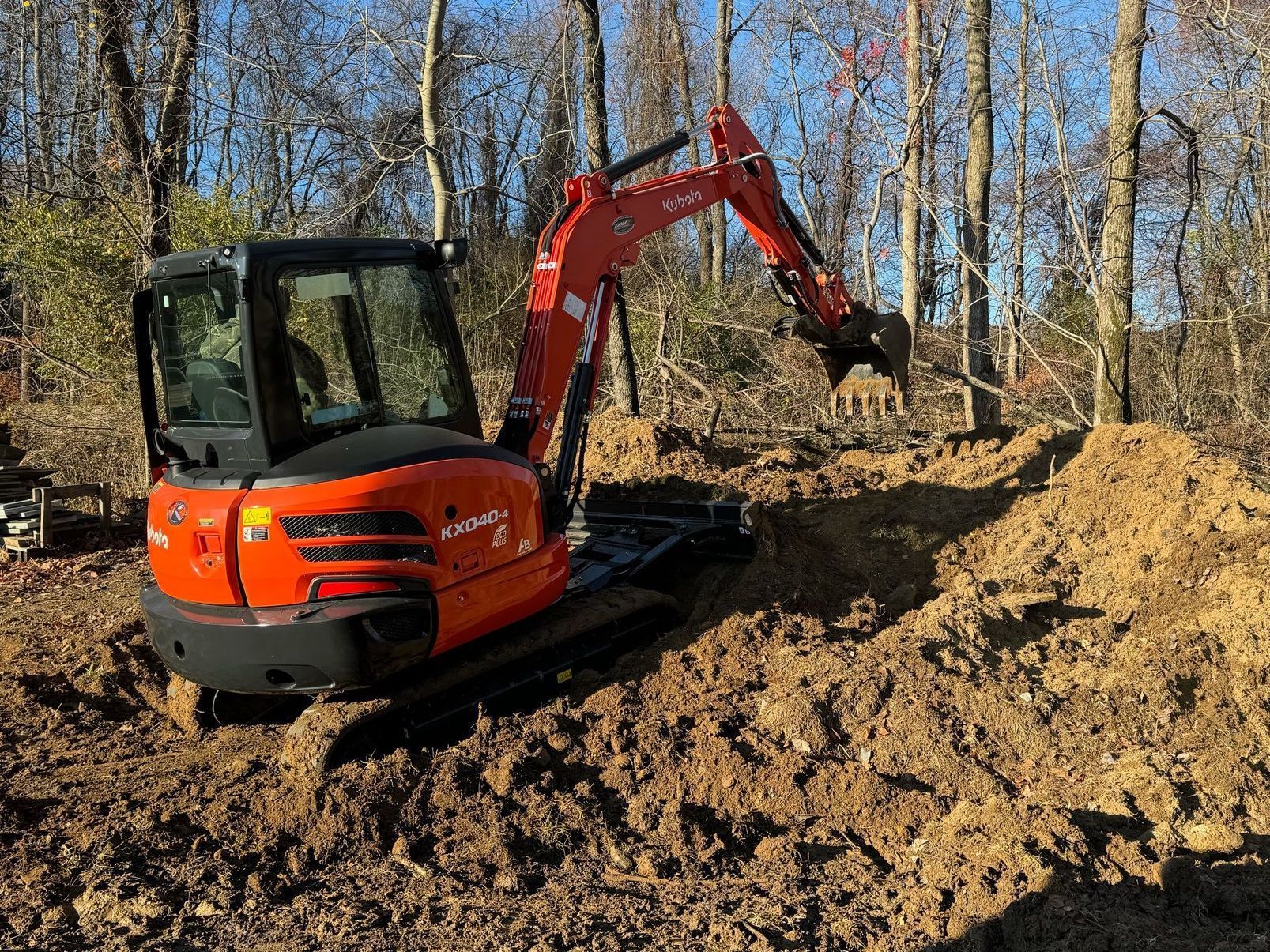
Excavation & Site Work
-
![Man standing beside a yellow skid steer loader on a dirt site with trees in the background]()
-
![Yellow bulldozer pushing dirt on a forest path beside a grassy clearing]()
-
![Mostly blank white image with a narrow gray horizontal bar across the center.]()
Recent Projects
More ProjectsEvery project comes with its own needs and challenges. Tell us your priorities, and we'll fill them to your satisfaction.
-
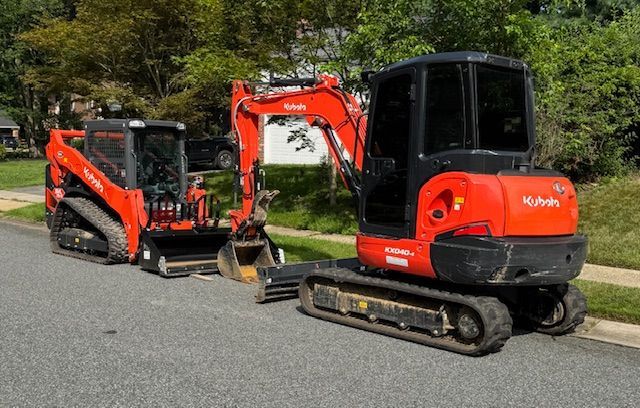
![Two orange Kubota excavators parked on a paved roadside with trees in the background]()

Why Us
Why Conway & Horry County Choose Scavo Solutions
Honesty and Integrity Aren't Optional
We show up when we say we will. We quote fair, transparent prices and deliver exactly what we promised — nothing hidden, nothing tacked on later.
Meticulous Attention to Detail
Excavation and demolition work is unforgiving — get it wrong and it costs you later. We take the time to do it right the first time, every time.
Local, Responsive, and Ready
We're not a national chain routing your job through a call center. We're your neighbors in Conway and Horry County, and we treat every property like our reputation depends on it — because it does.