Scavo Solutions Relocates to the Grand Strand Area, Bringing Land Clearing, Demolition & Bamboo Removal to Horry County Scavo Solutions has officially planted roots in Conway, South Carolina. After years of serving property owners in the Aston, Pennsylvania area, the company has moved its operations to the Grand Strand, bringing its equipment, its crew, and its reputation for doing the job right to homeowners, builders, and businesses across Horry County. From our new home base on Mack Road in Conway, we now offer full-service land clearing, demolition, and excavation services throughout Conway, Myrtle Beach, Carolina Forest, and the surrounding communities. Why the Grand Strand South Carolina? Horry County is one of the fastest-growing parts of South Carolina. New neighborhoods are going up, raw land is being prepped for homes and businesses, and older properties are making way for what's next. All of that growth needs experienced crews to clear the land, take down what's no longer working, and get sites ready to build. The land here comes with its own challenges too. Much of the Grand Strand sits low, with sandy soil, a high water table, and storm seasons that test every property. Getting clearing, grading, and drainage right isn't optional here. It's the difference between a property that holds up and one that floods every time it rains. "We came here because we saw a growing community that needed a crew it could count on," says Anthony Ravoni, owner of Scavo Solutions. "Conway is home now. We want to be the people our neighbors call when their property needs real work, not a patch job." Land Clearing Across Horry County Overgrown lots, wooded acreage, and tangled brush are everywhere in Horry County, and turning that land into something usable is one of the most common jobs we take on. Our land clearing services cover everything from getting raw land ready for new construction to reclaiming overgrown fields and back acreage. For properties that need to be opened up without stripping the ground, forestry mulching clears brush and saplings in a single pass while keeping topsoil in place, which matters in sandy coastal soil. We also handle stump and rock removal, brush hogging, and storm damage cleanup when hurricane season leaves downed trees behind. Whether you're building in a new Conway subdivision or reclaiming rural land near Aynor or Loris, we'll recommend the approach that fits your property and your plans. Demolition Done Right When something has to come down, it has to come down right. As a local demolition contractor , Scavo Solutions handles residential and commercial teardowns across Horry County, always with a plan for debris removal and what comes next. That includes full house teardowns, fire- and storm-damaged homes, commercial buildings, sheds and outbuildings, concrete slabs and driveways, and old inground pools. One of the most common needs we're seeing in the area is mobile home demolition , especially older single-wides and double-wides on inherited or rural land. Every demolition job includes hauling and grading, so you're left with a clean, level site, not a mess. Bamboo Removal That Lasts Bamboo removal has been one of Scavo Solutions' signature services for years, and it's a natural fit for the Grand Strand. Our warm, humid climate and long growing season let bamboo spread fast, and once it takes hold, cutting it down won't stop it. Our bamboo removal service deals with the problem at the root. Full bamboo remediation removes the rhizome network so it doesn't come back, while containment barriers and ongoing management are available for bamboo you'd rather keep under control. From backyard patches in Myrtle Beach to established groves outside Conway, we have the equipment and experience to handle it. A Full-Service Excavation Contractor Land clearing, demolition, and bamboo removal are just the start. Scavo Solutions is a full-service excavation contractor , so we can take a project from raw land to build-ready without handing it off to anyone else. That includes grading, retaining walls, utility line installation, and stormwater and drainage systems built for our low-lying coastal terrain. With one crew handling every step, projects move in the right order, nothing gets undone, and you have one point of contact from start to finish. Serving Conway and the Entire Grand Strand Scavo Solutions serves property owners throughout Horry County and the surrounding region. Our home base in Conway puts us close to Myrtle Beach, North Myrtle Beach, Carolina Forest, Socastee, Surfside Beach, Aynor, Loris, and beyond. You can see all the areas we serve on our service areas page. We're also proud members of the Conway Chamber of Commerce and look forward to being part of this community for a long time to come. Let's Get to Work If your property needs clearing, something needs to come down, or bamboo is taking over your yard, Scavo Solutions is ready to help. Every estimate is free, every quote is honest, and every job ends with a clean site. Request your free estimate or call us at (843) 915-1299. Scavo Solutions 1752 Mack Road Conway, SC 29526 (843) 915-1299 office@scavosolutions.com
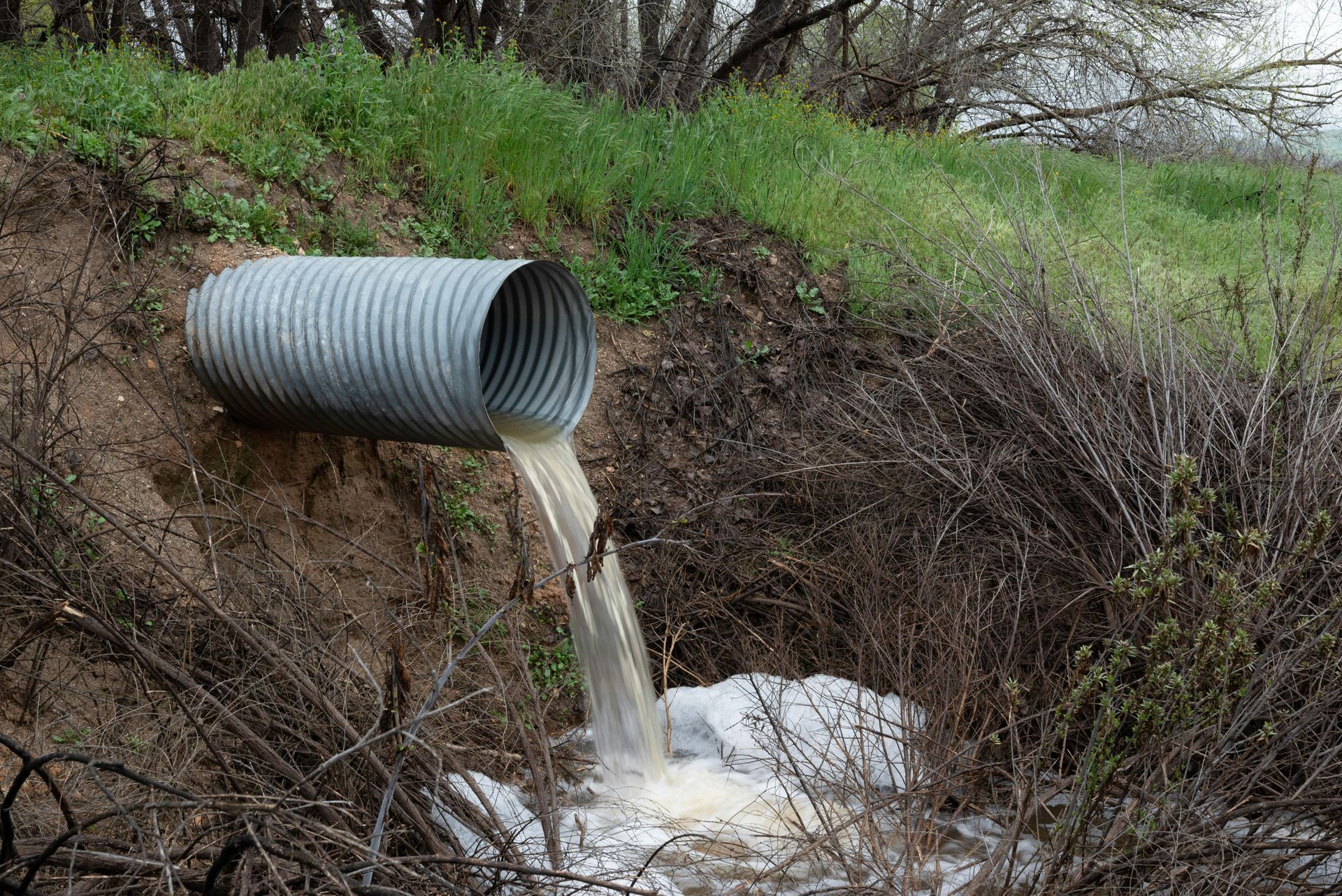
Culvert Pipe Installation in Horry County If your driveway crosses a roadside ditch, there's a culvert pipe underneath it carrying water from one side to the other. Most homeowners never give it a thought until it fails, and in low-lying Horry County, a failed culvert can wash out a driveway in a single storm. Whether you're planning a culvert pipe replacement or putting in a new driveway, choosing the right pipe matters. Here's how the most common materials compare, and what makes the biggest difference in Conway and the Grand Strand. Why Culverts Work Harder Here Culverts in the Grand Strand deal with a lot. Our terrain is flat, the soil is sandy, the water table sits high, and heavy downpours are common, especially during hurricane season. That means culverts carry large volumes of water along with plenty of sediment. The right material, size, and installation all play a role in how long yours lasts. Plastic (HDPE) Culvert Pipe Corrugated plastic pipe is one of the most common choices for residential driveways today. Pros: Lightweight, easy to install, and it won't rust. It holds up well in wet ground and resists corrosion from water and soil. Cons: It depends heavily on proper bedding and backfill for strength. If it isn't installed and compacted correctly, it can deform under heavy loads. Metal (Corrugated Steel) Culvert Pipe Galvanized corrugated metal pipe has been used under driveways for decades. Pros: Strong and able to handle heavy traffic. Cons: It rusts over time, especially in wet conditions. Many of the failing culverts we see in older Horry County driveways are rusted-out metal pipes. Concrete Culvert Pipe Reinforced concrete pipe is the heavyweight option. Pros: Extremely durable, long-lasting, and strong under heavy loads. Cons: Heavy, more expensive, and requires larger equipment to install. It's often more than a typical residential driveway needs. So What's the Best Culvert for a Driveway? For most residential driveways in Horry County, plastic pipe offers the best balance of cost, lifespan, and corrosion resistance, as long as it's installed correctly. Metal may still make sense in certain situations, and concrete is usually reserved for heavier-duty applications. But the honest answer is that installation matters more than material. A well-chosen pipe that's undersized, set at the wrong grade, or poorly backfilled will fail early no matter what it's made of. What Proper Driveway Culvert Pipe Installation Looks Like A culvert that lasts comes down to a few essentials: The right size for the volume of water your ditch actually carries The right grade , so water keeps moving and sediment doesn't settle in the pipe Proper bedding and compacted backfill to support the pipe and the driveway above it Protected ends to prevent erosion around the inlet and outlet If your driveway meets a state or county road, a permit may be required for work in the right-of-way, so it's worth checking before any digging starts. Signs It's Time for a Replacement Water flowing over your driveway during storms, standing water upstream of the pipe, sinking or cracked driveway edges, and visible rust or crushing at the ends all point to a culvert that's nearing the end of its life. Replacing it early usually avoids the bigger cost of rebuilding a washed-out driveway. When the Problem Is Bigger Than the Culvert Sometimes a culvert is just one piece of a larger drainage issue. If water pools across your yard, runs toward your house, or erodes your property every time it storms, broader stormwater drainage solutions may be the better fix. On many properties, the solution starts with regrading the land so water flows where it should. For larger properties with a lot of runoff, a pond can collect and manage stormwater while adding a natural feature to the landscape. Working with experienced pond excavation contractors makes sure it's sized and shaped to do the job. Culvert and Drainage Help in Conway and Horry County Scavo Solutions handles driveway culvert pipe installation and replacement across Conway, Horry County, and the Grand Strand. We'll help you choose the right pipe for your property and install it to hold up through storm season. Get a free on-site estimate .

Bamboo usually starts innocently. Someone plants a small patch for privacy, or it creeps over from a neighbor's yard. A few years later it's crowding the f ence, popping up in the lawn, and pushing toward the house. When homeowners in Conway and across the Grand Strand start looking into a bamboo removal service , the first question is almost always the same: what's this going to cost? Every job is priced on-site, but here's what drives the number, and how to make sure you only pay once. Why Bamboo Removal Isn't Just Cutting It Down To understand cost, it helps to understand the plant. Most problem bamboo spreads through underground stems called rhizomes that run sideways through the soil, often well beyond the visible stand, and send up new shoots as they go. That's why cutting, mowing, or spraying rarely works. The rhizomes survive and push up new canes, sometimes more aggressively than before. Real bamboo eradication means dealing with what's underground, and that's where most of the work and cost comes from. What Affects Bamboo Removal Cost The size of the stand. A small backyard patch and a half-acre grove are very different jobs. Larger stands mean more excavation, more hauling, and more time. How long it's been growing. Older stands have dense, deep rhizome networks that take more effort to remove completely. The sooner you deal with bamboo, the less it tends to cost. Access to the area. Bamboo tight against a fence, house, or neighbor's property requires more careful work than an open area where equipment can move freely. What's nearby. Foundations, driveways, septic systems, and utility lines all affect how the job is approached. The approach you choose. Full removal, containment, and ongoing management each come at a different price point, which leads to the most important decision. Removal, Containment, or Management? Full Removal If you want the bamboo gone for good, bamboo remediation excavates the root mass and rhizome network, not just the canes. It's the largest upfront investment, but it's the only option that truly ends the problem. Containment If you like your bamboo but want it to stay put, bamboo barrier installation places an underground barrier around the stand to stop rhizomes from spreading. It's a smart choice for privacy screens and property-line plantings. Ongoing Management For bamboo you want to keep in check without removing or containing it, bamboo management keeps the stand trimmed back and controlled over time with routine visits. Why DIY Usually Costs More in the End Plenty of homeowners try to dig bamboo out themselves. The problem is that any rhizome left behind can regrow, so a DIY job that misses pieces often means paying twice: once for the rental equipment and your time, and again when the bamboo returns. Professional bamboo removal is built around getting the root system out completely the first time. Why Bamboo Grows So Fast Here Horry County's long growing season, warm temperatures, and frequent rain give bamboo everything it needs. A stand that stays manageable in a cooler climate can take over a Grand Strand yard in just a few seasons. That's why acting early is the best way to keep costs down. What Happens After Removal Once the bamboo and rhizomes are out, the ground is usually disturbed and uneven. We grade the area so it's clean and level, ready for grass, landscaping, or a patio. If bamboo is mixed in with other overgrowth, it can be handled together with brush and land clearing to open up the whole space at once. Get a Bamboo Removal Estimate in Conway If you've been searching for bamboo removal near you, Scavo Solutions removes, contains, and manages bamboo across Conway, Myrtle Beach, Carolina Forest, and all of Horry County. Every estimate is free and based on your actual property, so you know exactly what you're paying for. Schedule your free on-site estimate .
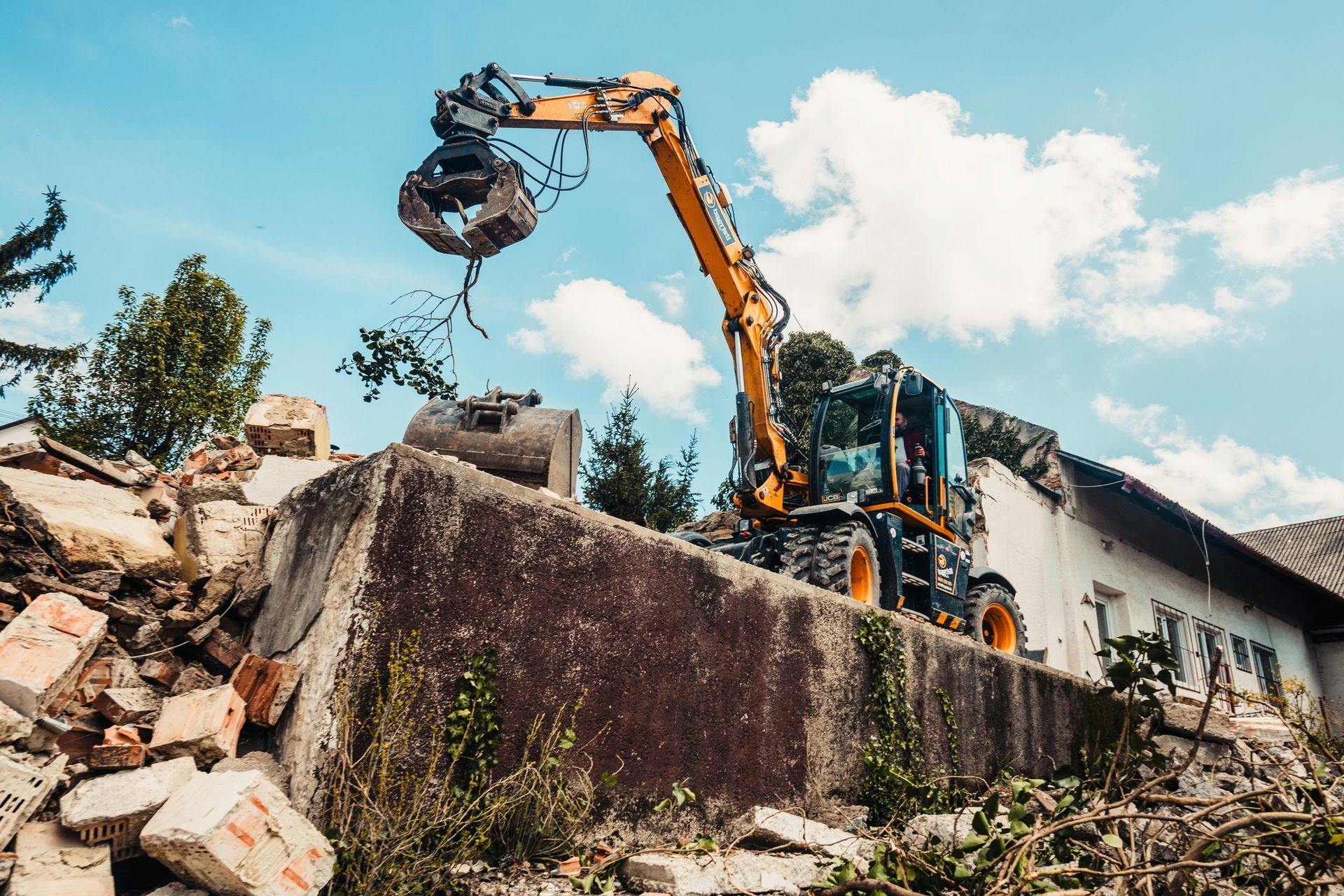
Drive the back roads around Aynor, Loris, Green Sea, or the outskirts of Conway, and you'll see plenty of older mobile homes sitting empty. Some were left behind when family moved on. Some took storm damage and were never fixed. Others are simply past their useful life. If one of those is sitting on your land, mobile home demolition can open up a lot of possibilities. Here's what the process usually looks like, so you know what to expect before you call a demolition contractor. Why Property Owners Remove Old Mobile Homes Every situation is a little different, but most fall into one of these: You inherited the property and want to sell the land or build on it The home is unsafe. Roof damage, rotted floors, mold, and pests make older units a hazard You're upgrading to a new manufactured home or a site-built house You're preparing the land for sale A vacant, deteriorating mobile home drags down the value of the land under it. Removing it is often the first step toward getting that value back. Step 1: Walk the Site Together Every job starts with a site visit. We look at the size of the home, what's attached to it, how easy the site is to reach with equipment, and what nearby features need protecting, like trees, fences, a well, or a septic system. It's also the time to share your plans. Are you putting a new home on the same spot? Keeping the septic system? Want anything set aside? Knowing that up front shapes the whole job. Step 2: Paperwork and Utilities Before any demolition services begin, a few things usually need to be squared away: Utilities disconnected. Power, water, and gas are shut off and disconnected at the source. Permits. Demolition in Horry County generally requires a permit from the county, or from the city if you're inside Conway city limits. Title and taxes. In South Carolina, mobile homes are often titled and taxed separately from the land. Checking with the Horry County Assessor's office helps make sure the home comes off the tax rolls once it's gone. We'll walk you through what your property needs so nothing slips through the cracks. Step 3: Teardown and Hauling This part moves quickly. Most single-wides come down and are hauled away in a single day, while double-wides or homes with large additions may take a bit longer. Along with the home itself, the job usually covers the steel frame, skirting, steps, porches, and decks. If there's more on the property to deal with, it's efficient to handle it all at once. That might mean shed and outbuilding removal for old storage buildings, or concrete removal for leftover slabs, walkways, and pads. Step 4: Grade and Prep the Site Once the home is gone, the pad and surrounding area are graded level. If a new home is going in, this is when manufactured home site preparation begins, getting the ground stable, level, and draining properly. For larger builds, our excavation and site work crews can take the site the rest of the way. If you're selling, a clean, open lot shows far better than a patch of disturbed ground. What About the Septic, Well, and Power Pole? This is one of the most common questions we hear. If you plan to put a new home in the same spot, these can often stay and be reused. If the lot is being cleared for something else, they may need to be handled separately. Mention your plans during the site walk and we'll work around them. Storm-Damaged Mobile Homes Living in the Grand Strand means living with hurricane season, and older mobile homes are especially vulnerable to wind and water. A unit that's been through a bad storm can become unsafe fast. Removing it sooner limits the risk to people, pets, and neighboring property. If the storm also brought down trees, storm damage cleanup can be handled during the same visit. Mobile Homes vs. Site-Built Homes Mobile home teardowns are typically faster and simpler than removing a site-built house, which may involve a full foundation, more materials, and additional inspections. If you're dealing with a traditional house instead, our home demolition services cover full teardowns, including fire- and storm-damaged homes. A Local Demolition Contractor in Conway Scavo Solutions provides demolition services across Horry County and the Grand Strand, from single-wides in Aynor to double-wides near Loris and everything in between. We're based in Conway, so we know the area, the process, and what it takes to leave your land clean and ready. Contact us for a free on-site estimate .
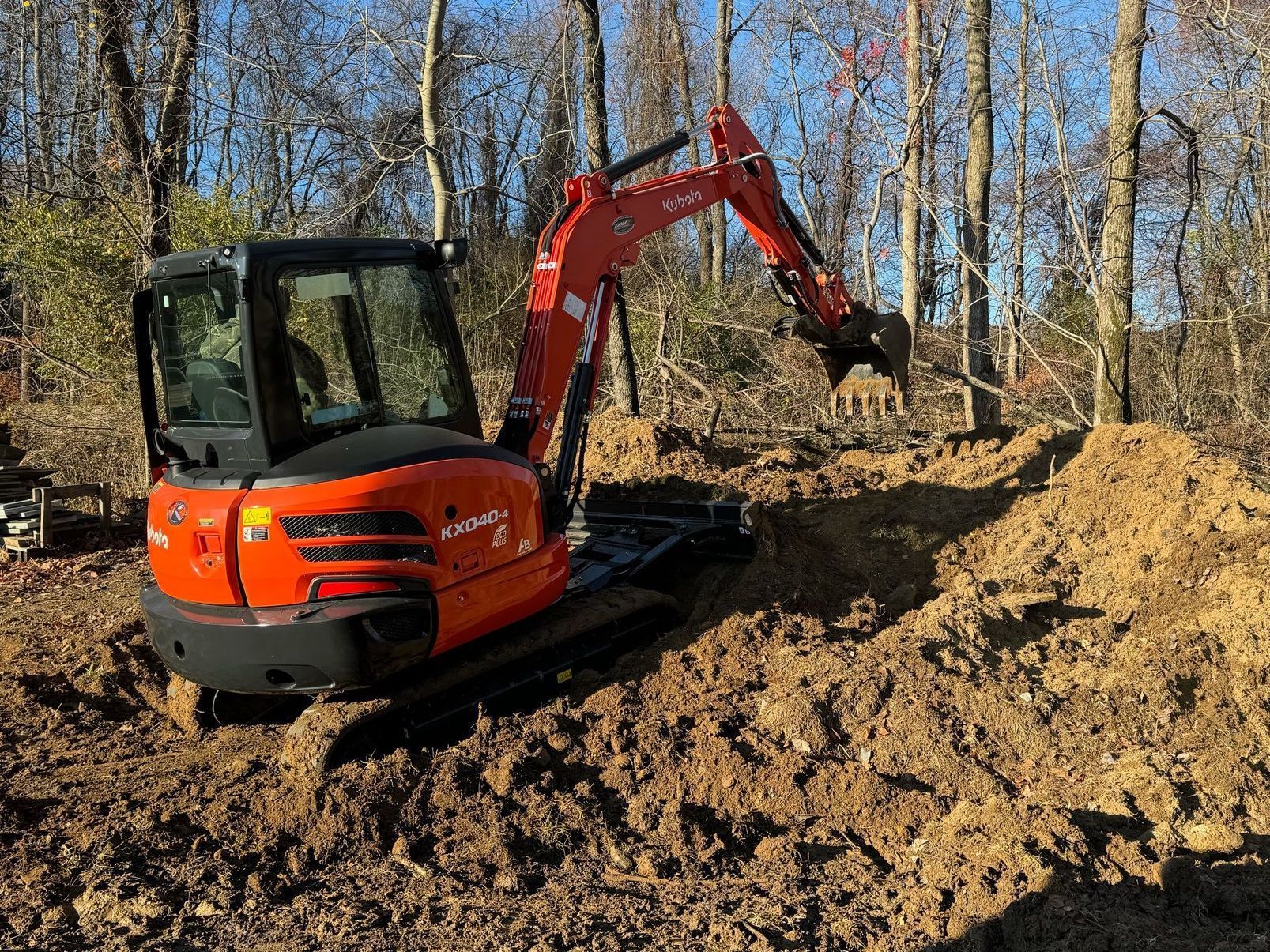
If you own a wooded or overgrown piece of land anywhere in Horry County, you've probably wondered what it would take to make it usable. Maybe you're planning to build, maybe you want to see your property line again, or maybe the brush simply got away from you. The good news is that land clearing services aren't one-size-fits-all. The right approach depends on what you plan to do with the land, and choosing correctly can save you money and protect your soil. Here's how the most common options compare for properties in Conway and across the Grand Strand. Forestry Mulching: Clearing Without Disturbing the Ground Forestry mulching uses a single machine with a heavy-duty mulching head to grind brush, saplings, vines, and small trees right where they stand. The shredded material stays on the ground as a natural layer of mulch. There's no hauling, no burn piles, and no digging. Your topsoil stays put, and the mulch layer helps hold it in place, which matters in sandy coastal soil that washes out easily after a heavy rain. Forestry mulching is a great fit when you want to: Open up wooded acreage without stripping the ground Clear trails, fence lines, or sight lines Reclaim an overgrown back lot or pasture Limit erosion on low-lying or sloped land Lot Clearing: Getting Land Ready to Build Traditional clearing removes everything: trees, stumps, roots, brush, and debris. The ground is left bare so it can be graded and built on. If a house, garage, or driveway is in your future, this is the route you need. Professional lot clearing services take out the whole root system, because roots left in the ground rot over time and cause the soil above them to settle. That's how you end up with cracked slabs and sinking driveways years down the road. This is also where stump removal comes in. Pulling or grinding stumps below grade is what makes a lot truly build-ready rather than just cleared on the surface. Brush Clearing for Fields and Open Land Not every property is wooded. For pastures, fields, and open lots overtaken by tall grass, weeds, and thick scrub, brush hogging is often all you need. It's fast, affordable brush clearing that keeps land tidy and manageable, and it works well as regular maintenance too. Why This Choice Matters More in the Grand Strand Land around Conway, Aynor, Loris, and the rural parts of Horry County has its own challenges. Much of it sits low, with sandy soil, a high water table, and dense pine and undergrowth that grows back quickly in our warm, wet climate. That means two things: Bare ground erodes fast. If you strip a lot you aren't building on soon, heavy rain can leave you with ruts and runoff. Forestry mulching avoids that problem. Build sites need to be done right. If construction is coming, cutting corners on clearing leads to drainage and settling problems later. Combining Approaches Saves Money Many residential land clearing jobs use more than one method. A common plan is to fully clear the building footprint, driveway, and yard, then forestry mulch the rest of the property. You get a build-ready site without paying to strip acreage that doesn't need it. If hurricane season left your property covered in downed trees, storm damage cleanup can be handled at the same time as any land clearing and tree removal. What Comes After Clearing For build sites, clearing is just step one. Next comes grading and site prep , which shapes the land so water drains away from your future home. In low-lying Horry County, planning drainage early is one of the smartest moves you can make. Work With a Local Land Clearing Contractor Every property is different, and the best way to know what yours needs is to walk it. Scavo Solutions is a Conway-based land clearing contractor serving Horry County and the Grand Strand, from Myrtle Beach and Carolina Forest to Aynor and Loris. Request a free on-site estimate